Source Eco Friendly Efficient Grinding Mill for Mining
Find 30 eco friendly efficient grinding mill options for mining and material processing. Compare specifications like wet grinding dispersion, automatic operation, and high-precision features to select the right equipment for your industrial needs; compare the available evidence and request quotations based on your requirements.
Key considerations
Products List


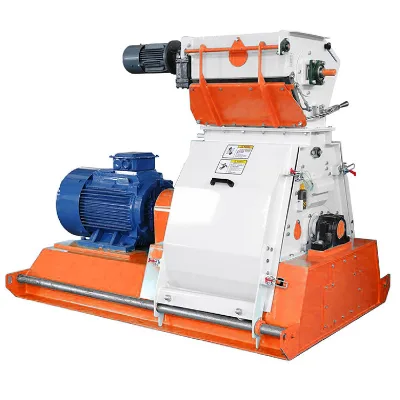


$3000.00 - $6000.00
Moq: 1

$1500.00 - $150000.00
Moq: 1


Comprehensive Sourcing Guide
Eco Friendly Efficient Grinding Mill Sourcing Guide
Procuring an eco-friendly efficient grinding mill requires a clear understanding of the distinct technologies available in the current market, as the term encompasses both dry pulverizers and wet dispersion systems. Buyers must first distinguish between tangential feed piece knife crushers designed for dry PVC processing and large-flow bead mills intended for continuous wet grinding and dispersion. The former typically utilizes vibrating feeders and solid knife rollers to achieve fine powder sizes, while the latter employs disc and pin combined structures to handle liquid or slurry materials with high precision.
Selecting the correct machine type depends heavily on the material state and desired final particle size distribution. Dry grinding applications often target micron-level powders using grinding discs made from specialized tool steel, whereas wet grinding systems focus on effective dispersion and flow rates measured in kilograms per hour. Understanding these fundamental operational differences ensures that procurement teams align their technical requirements with the appropriate mechanical design, avoiding costly mismatches between equipment capabilities and production needs.
Product Scope and Observed Listing Signals
Market listings for these machines reveal a wide variance in specifications, with observed price ranges extending from low-cost components to high-value industrial systems. Buyers should note that observed minimum order quantities vary significantly, reflecting the custom nature of many industrial grinding solutions. The presence of computerized controls and automatic grading indicates a shift toward modernized, automated processing lines that reduce manual intervention and improve consistency in output quality across different production batches.
Listing signals also highlight specific structural features such as tangential feed mechanisms and vibrating sieve models, which are critical for ensuring uniform material flow and particle separation. Additionally, the use of stainless steel for pipes and vibration sieves suggests a focus on corrosion resistance and hygiene, particularly important for industries with strict cleanliness standards. These observed attributes serve as key indicators of build quality and operational efficiency, helping buyers filter through numerous options to find machines that match their specific throughput and material handling requirements.
Technical Specifications to Verify
When evaluating technical specifications, buyers must verify the motor power range and effective grinding chamber volume to ensure the machine can handle the required batch capacity. For wet grinding systems, models often range from small laboratory units to large industrial scales, with motor powers extending up to several hundred kilowatts. It is essential to confirm the working method, whether continuous wet grinding or dry pulverization, and to check the sealing method, such as integrated double mechanical seals, to prevent leakage and maintain operational safety during high-pressure processing.
Cooling methods and separation techniques are equally critical for maintaining product quality and machine longevity. Systems may utilize water cooling, fan cooling, or screw-type forced water cooling with multi-point controls to manage heat generation during intensive grinding operations. Buyers should also inspect the material of contact parts, which may include alloy steel, ceramic, or high-polymer materials, to ensure compatibility with the processed substances. Verifying these details prevents unexpected downtime and ensures the equipment meets the precise thermal and mechanical demands of the production line.
Compliance and Safety Documentation
Compliance with international standards is a non-negotiable aspect of sourcing industrial grinding equipment, with CE and ISO certifications being common markers of regulatory adherence. Buyers must request valid certification documents to verify that the manufacturer has met essential health, safety, and environmental protection requirements. These certifications often indicate that the machine’s electrical systems, mechanical guards, and operational controls have undergone rigorous testing and conform to recognized industry benchmarks for industrial machinery.
Safety monitoring features are another vital component of the documentation package, including systems that track feeding pressure, discharge temperature, and mechanical seal lubrication tank levels. These automated monitoring systems provide real-time data to operators, allowing for immediate intervention in case of anomalies that could lead to equipment failure or product contamination. Procurement teams should ensure that the machine’s control panel, often featuring brands like Omron, integrates these safety protocols seamlessly to enhance operational reliability and protect personnel from potential hazards associated with high-speed grinding processes.
Cost Drivers and Commercial Terms
The total cost of ownership for a grinding mill is influenced by several key factors, including motor power, material construction, and the level of automation. High-power motors and specialized materials like SKD11 grinding discs or stainless steel components contribute significantly to the initial purchase price but offer greater durability and efficiency. Buyers should also consider the voltage requirements, which may need to be customized to match local electrical infrastructure, such as 380V 50Hz three-phase systems, to avoid additional conversion costs or operational inefficiencies.
Commercial terms often include specific packaging requirements, such as sea-worthy packages or wooden crates, to protect the equipment during international shipping. Lead times and minimum order quantities can vary based on the customization level and production schedule of the supplier. It is advisable for buyers to negotiate clear terms regarding installation support, training, and after-sales service, as these elements can significantly impact the overall value and operational readiness of the purchased machinery.
Supplier Qualification and Quality Control
Supplier qualification involves verifying the manufacturer’s production capabilities and quality control processes, particularly for machines originating from major industrial hubs like Zhangjiagang, Jiangsu. Buyers should assess the supplier’s ability to provide customized solutions, as many grinding mills are tailored to specific client requirements. Checking the brand of critical components, such as NSK bearings and Simo motors, can provide insight into the supplier’s commitment to using high-quality, reliable parts that ensure long-term performance and reduce maintenance costs.
Quality control measures should include factory acceptance tests and detailed inspection reports for key components like the grinding discs and vibration sieves. Buyers may request third-party inspections or video verifications of the manufacturing process to ensure that construction standards are met. Establishing a clear communication channel with the supplier for technical queries and post-sale support is also essential, as it facilitates smoother installation and troubleshooting, ensuring that the equipment performs as expected from day one of operation.
Long-Term Procurement Checks
Long-term procurement success depends on establishing a robust maintenance strategy and monitoring the machine’s performance over time. Buyers should develop a preventive maintenance schedule that includes regular checks of the mechanical seals, cooling systems, and bearing conditions to prevent premature wear and unexpected failures. Keeping a stock of critical spare parts, such as grinding discs and filter screens, can minimize downtime during routine maintenance or emergency repairs, ensuring continuous production flow.
Additionally, buyers should periodically review the machine’s energy consumption and output quality to identify opportunities for optimization. As technology evolves, upgrading control systems or replacing worn components with newer, more efficient models can enhance the machine’s eco-friendly attributes and overall efficiency. Maintaining detailed records of maintenance activities and performance metrics helps in making informed decisions about future upgrades or replacements, ensuring that the grinding mill remains a valuable asset throughout its operational lifespan.
FAQs
What is the final powder size for this machine?
The final powder size ranges from 12 to 120 microns for this specific model. This capability allows for precise grinding of plastic materials using the vibrating feeder and grinding disc system designed for high efficiency.
Can the machine be customized for specific needs?
Yes, customization is available for this equipment to meet unique production requirements. Buyers can request specific voltage configurations or other adjustments while maintaining the core automatic grade and high precision structure of the unit.
Which certifications does the manufacturer hold?
The manufacturer holds CE and ISO9001 certifications for their computerized grinding machines. These standards ensure the equipment meets international safety and quality requirements for industrial applications involving plastic pulverization and milling processes.
How is the machine cooled during operation?
The system utilizes both water cooling and fan cooling methods to maintain optimal temperatures. This dual approach ensures stable performance during continuous wet grinding and dispersion tasks within the large-flow efficient bead mill structure.
What is the motor power range for this series?
Motor power ranges from 22 Kw to 800 Kw depending on the specific model selected. This wide range supports various batch capacities from 150 liters up to 20,000 liters for different industrial grinding and dispersion needs.
Where is the product manufactured and shipped from?
The product originates from Zhangjiagang, Jiangsu, China, and is shipped in sea-worthy packages. This location ensures reliable logistics for international buyers seeking high-precision grinding machines with automatic feeding systems and solid knife rollers.